Located at the southern tip of the Aegean Sea, Mykonos is one of Greece's most important high-end holiday destinations and a strategic battleground that major luxury brands are racing to enter.
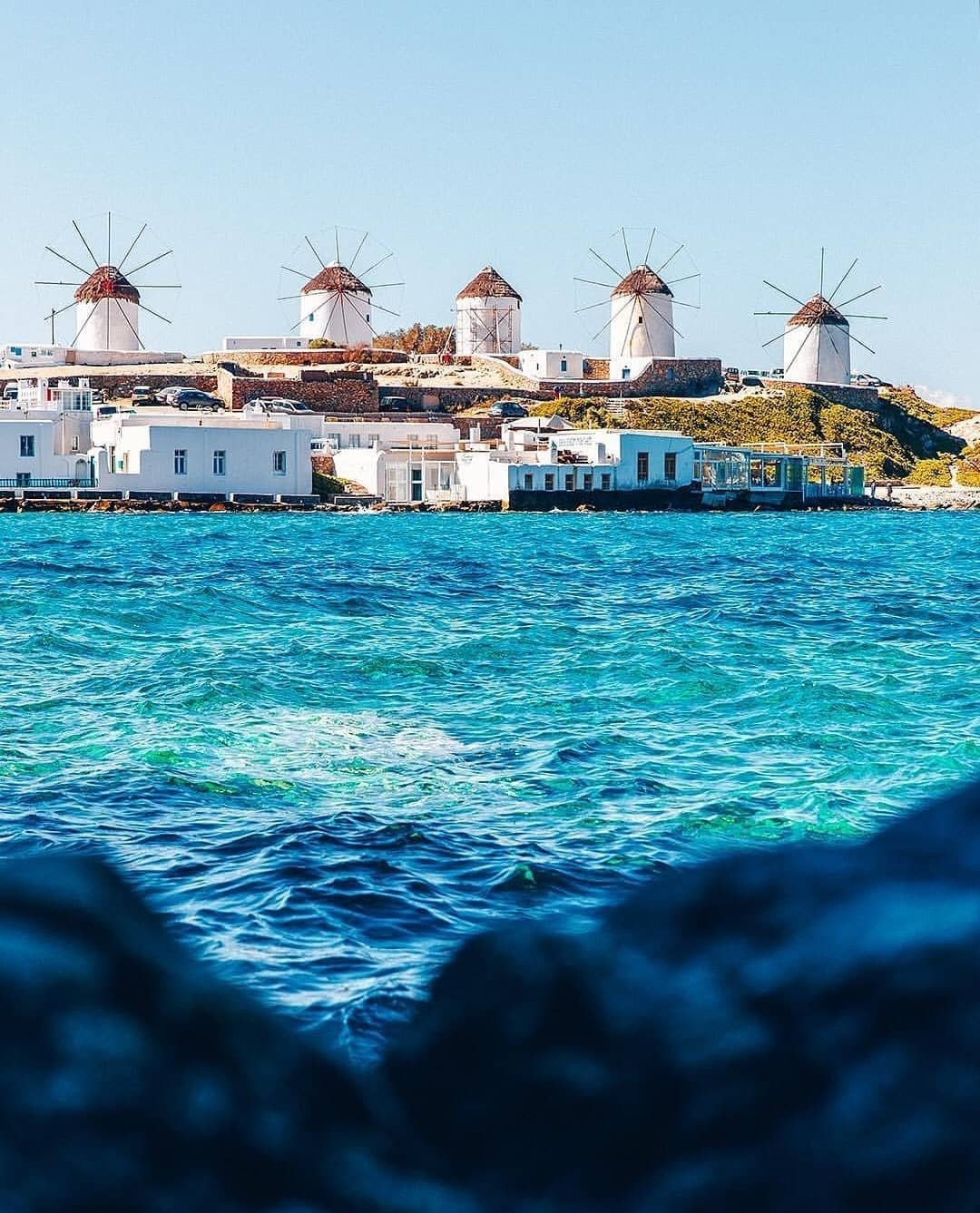
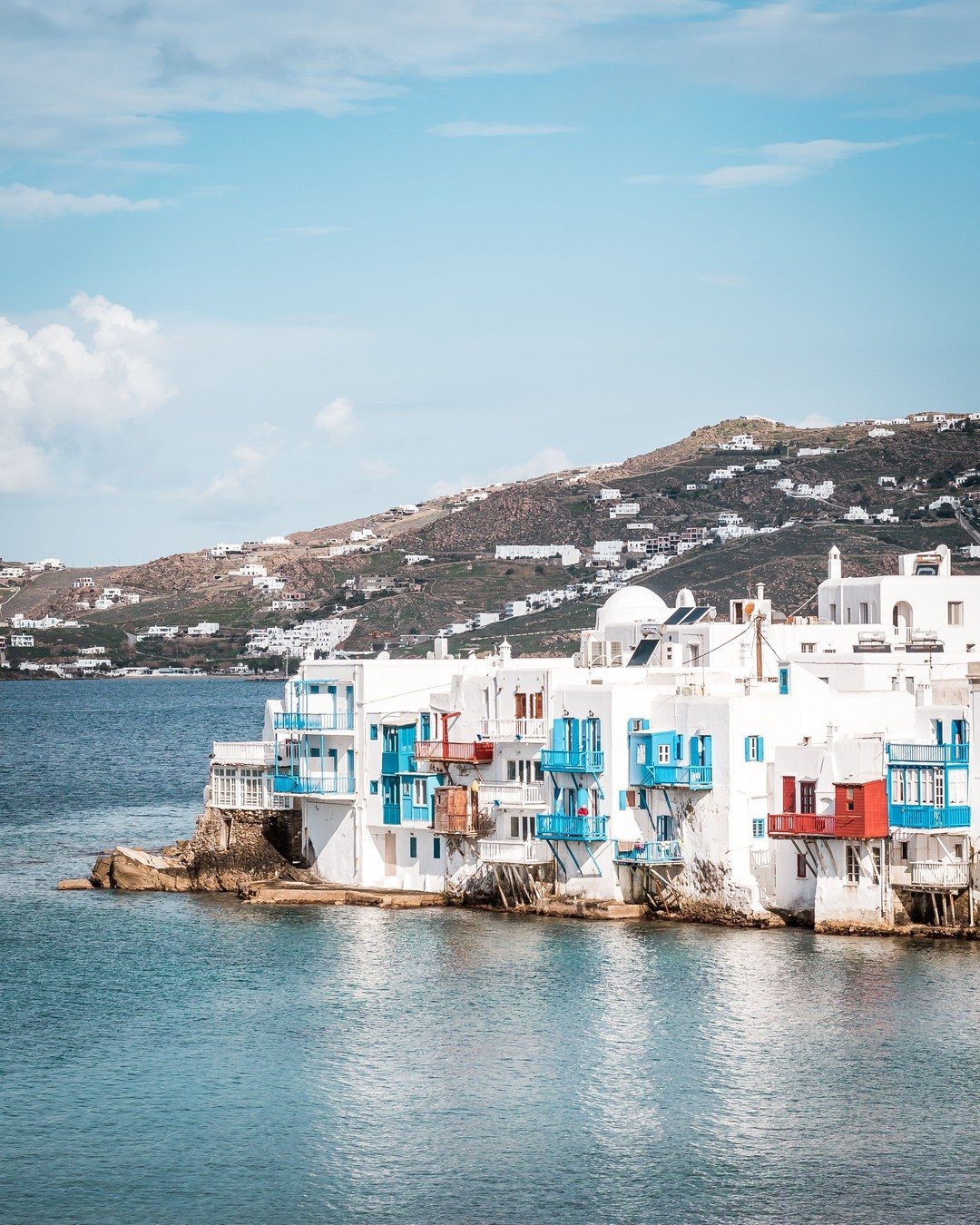
Mykonos boasts the Mediterranean's signature island scenery: the crystal-clear Aegean Sea, abundant sunshine year-round, distinctive local whitewashed geometric architecture, the quaint streets of the old town, and the Kato Mili windmills on the hillside. As early as the 1950s and 1960s, celebrities from Europe and the US such as Jacqueline Kennedy and Audrey Hepburn were frequent visitors.
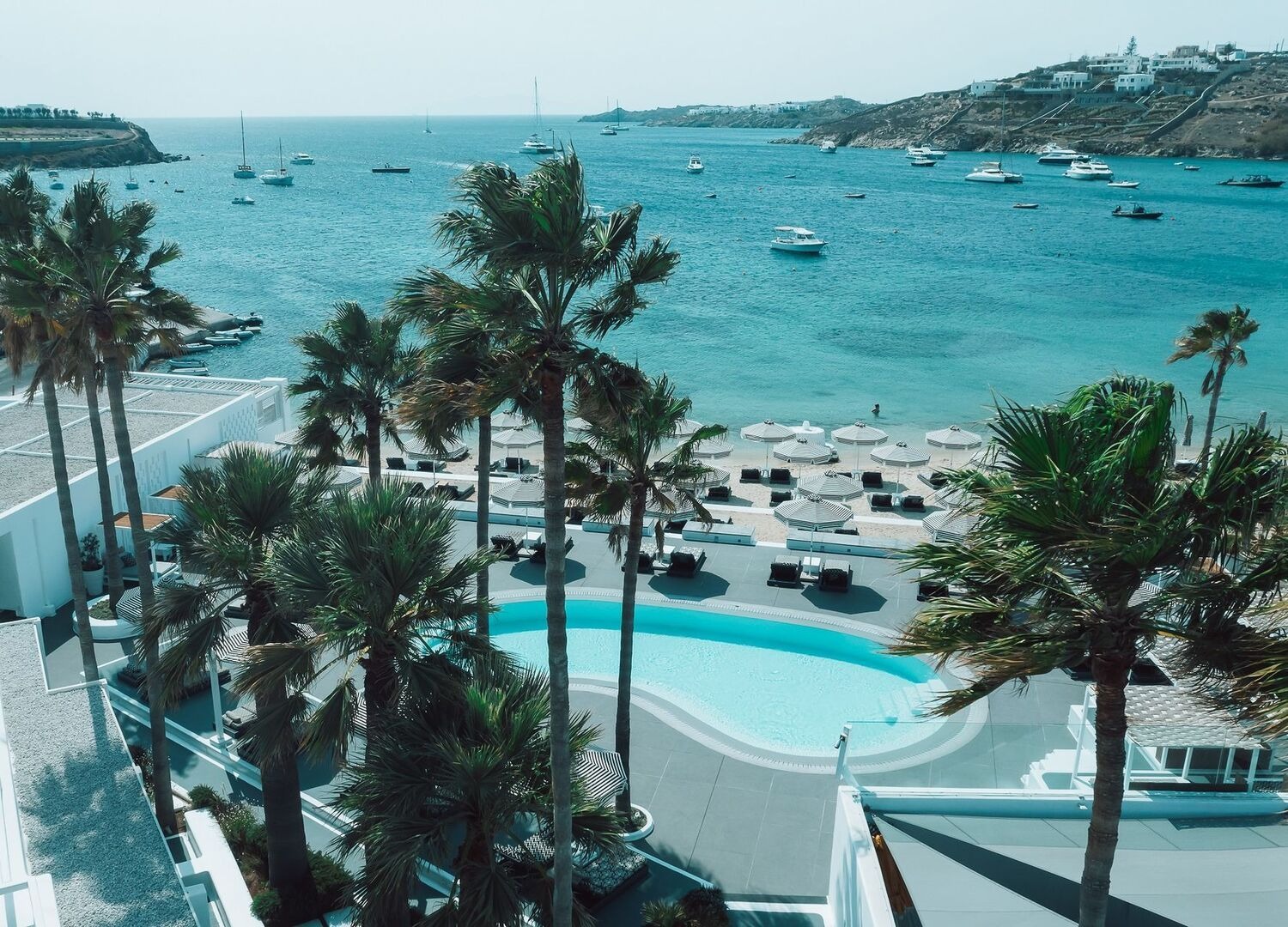
Today, Mykonos has highly complete high-end tourism infrastructure, with convenient air and cruise access, five-star hotels, marinas and luxury retail all available, blending natural beauty, cultural and historical experiences and a luxury holiday atmosphere into one, and continuing to attract high-end tourists from Europe, the US and the Middle East to visit and buy property.
According to official government data, tourism on Mykonos contributes more than €1.4 billion to the economy each year. In 2024, air passenger arrivals reached 1.61 million, including 1.07 million international passengers, while another 1.29 million visitors arrived by cruise ship.
A 2022 KPMG report on Greece's luxury market stated that Mykonos is one of the top destinations for wealthy tourists worldwide, and the increase in visitor numbers and their strong willingness to spend on luxury goods have both driven the expansion and revenue growth of high-end luxury brands in Greece.
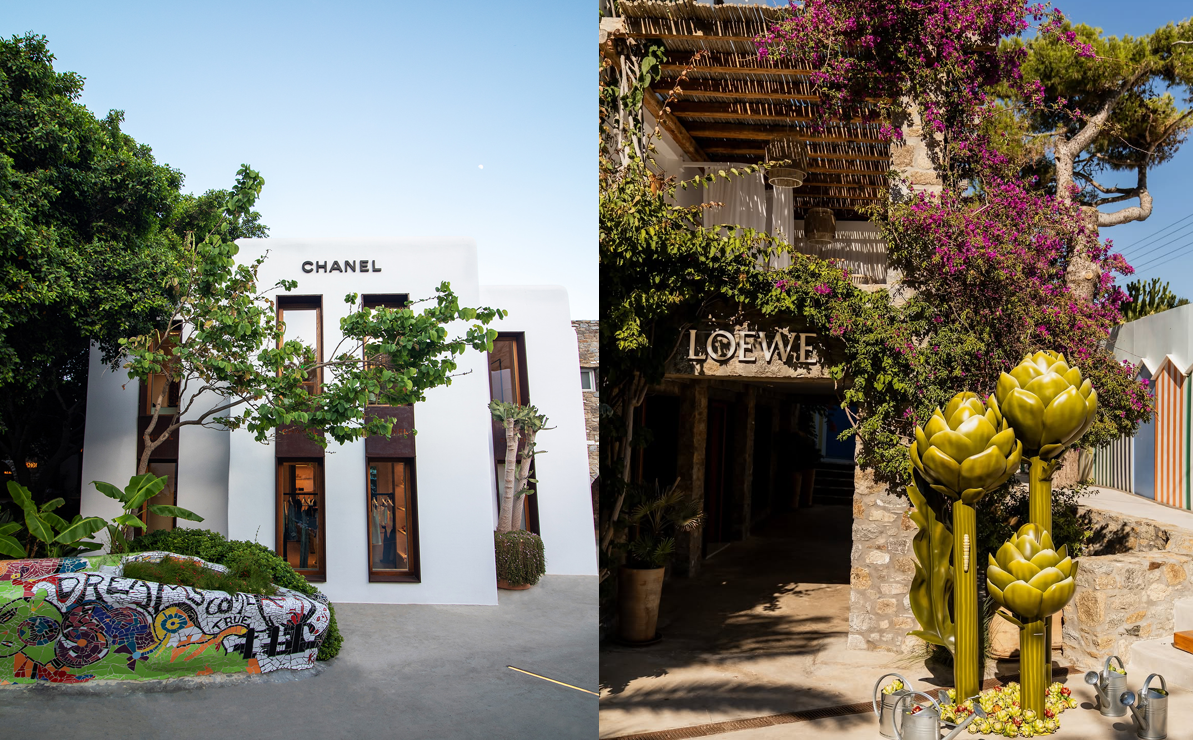
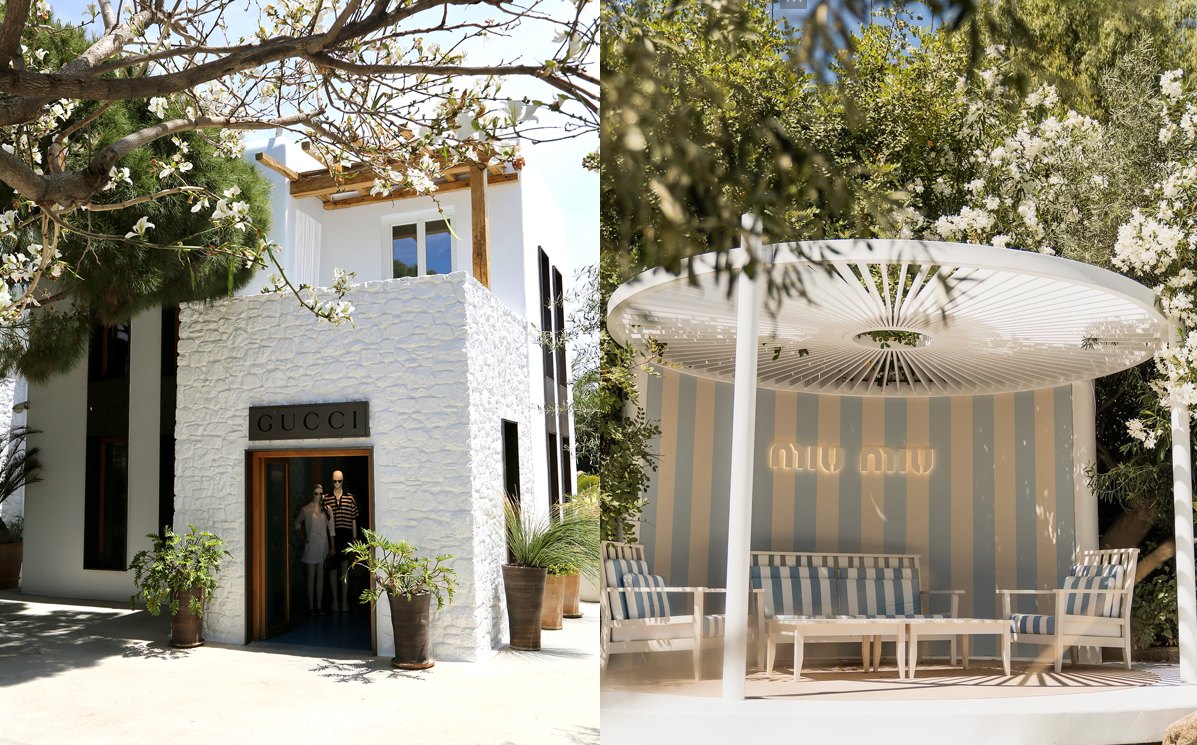
Mykonos is home to the flagship brands of virtually every leading international luxury group. Some brands have integrated into the streets of the historic old town with small boutique formats, while others are concentrated in the open-air Nammos Village luxury complex in the city center.
International luxury brands with permanent stores here include LVMH's Louis Vuitton, Dior, Loewe and BVLGARI; Kering's Gucci, Saint Laurent and Bottega Veneta; Richemont's Cartier and IWC Schaffhausen; Prada Group's Prada, Miu Miu and Versace; as well as Chanel, Hermès, Brunello Cucinelli, Rolex, Breitling, Dolce & Gabbana and many others.
In addition to permanent stores, every summer brands also open pop-ups and limited-time boutiques here, or team up with hotels and beach clubs on co-branded collaborations, launching capsule collections and offline events for international clientele.
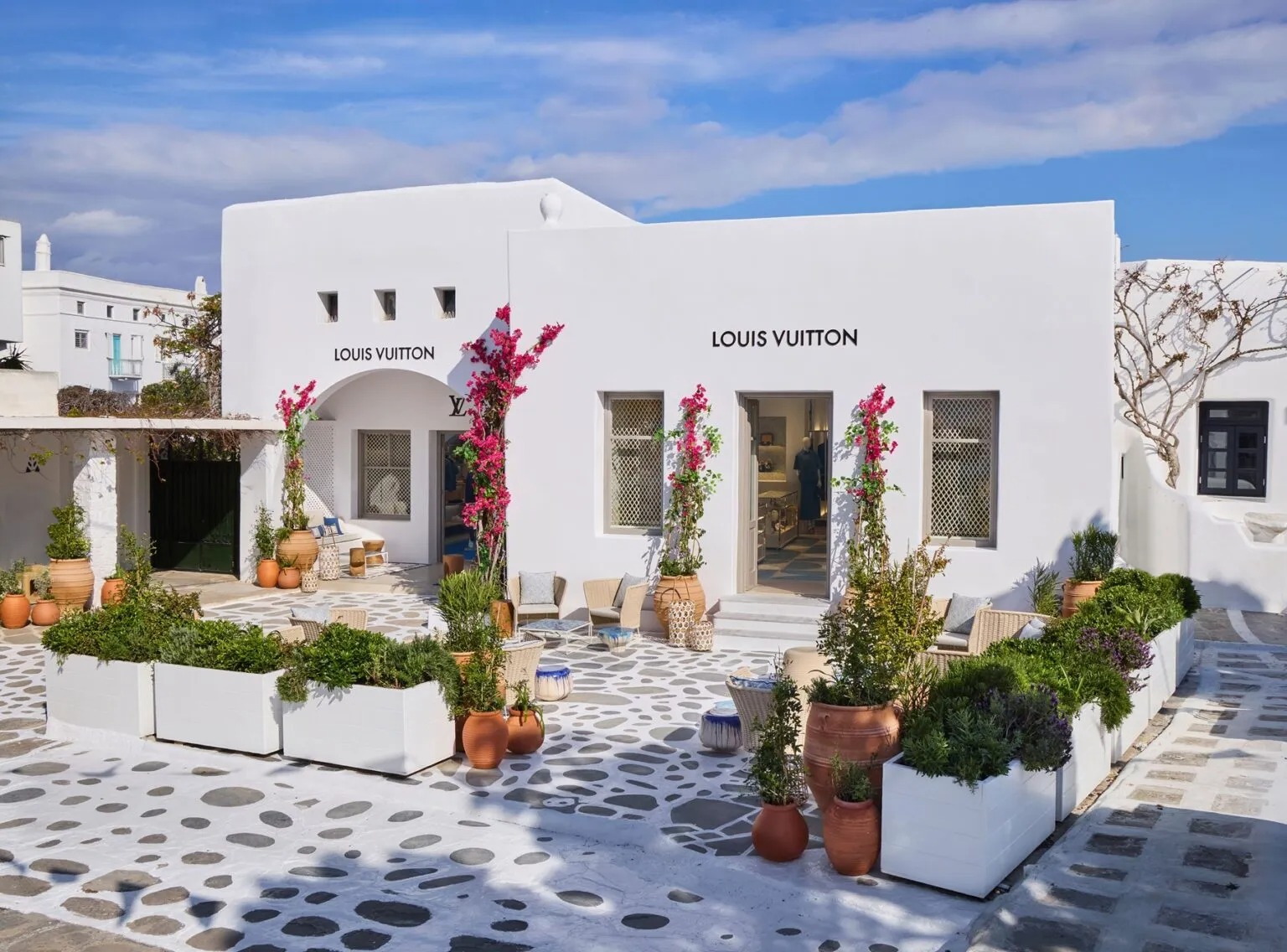
According to data from the Greek subsidiary of Louis Vuitton, sales in fiscal 2024 came in at €77.81 million, up as much as 20%. The brand said part of the growth was due to new locations, including several seasonal limited-time stores on Mykonos, which broadened its reach and exposure. The brand currently has two permanent stores on Mykonos, located in Psarou and Tria Pigadia respectively.
Prada's Greek company also delivered strong results in 2024, with sales up 28% year on year to €15.79 million, partly thanks to the successful summer holiday limited-time boutique opened by Miu Miu on Mykonos.
In terms of customer mix, visitors to Mykonos mainly come from the US, the UK, the Middle East, Italy, France and other European markets, including many high-net-worth individuals such as overseas second-home owners, entrepreneurs and owners of large yachts. Take Cartier as an example: the brand opened a seasonal store on Mykonos in 2022, and in its early days, half of sales came from American customers and about 30% from European customers.

In fiscal 2025, the Greek subsidiary of Louis Vuitton saw revenue fall 6.46% year on year to €72.79 million. Among this, tax-free sales to international tourists fell 16.3% to €34.04 million, putting pressure on the company's revenue. This was mainly due to changes in the mix of tourist groups, combined with a decline in spending power among high-income visitors.
Over the same period, the local Greek customer base proved more resilient, with sales up 4.3% year on year to €38.74 million, partly offsetting the revenue loss from weaker international tourist sales.
However, brand management said it remains optimistic about the outlook for 2026, believing that Greek tourism will continue to grow and consumption will recover.
Luxury brands are still betting on Mykonos with concrete action. Louis Vuitton renovated its store in the old town in the island's city center, Zimmermann chose the island for its first Greek store, and brands such as Chloé, Longchamp and Jacquemus have also opened seasonal boutiques, while Dior, Loewe, Cartier, Moncler and others have increased their exposure on the island through pop-ups.

Changes in Mykonos land policy may also have some impact on luxury retail in the future.
The Greek government has suspended the issuance of new construction permits on Mykonos until 2030, aiming to protect the local landscape and curb urban development. This means the value of every prime core property that already exists on the island is rising.
According to estimates by high-end real estate brokerage Engel & Völkers, prime core properties on the island can achieve annual gross rental yields of 6%–10%, and top detached villas, relying on the luxury holiday short-term rental market, can generate rental income of more than €200,000 in a single season.
|Sources: Modaes, KPMG report, Greek financial media Naftemporiki, Discover Greece website
|Image credits: Discover Greece website, Nammos Village official Instagram
|Editor: LuxeCO